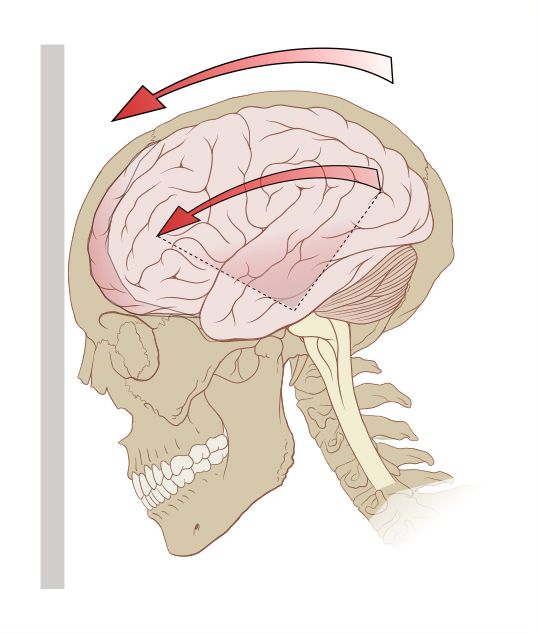
Patrick J. Lynch [creativecommons license] via Wikimedia CommonsAfter suffering a concussion or other traumatic brain injury (TBI), many people (70% or more) experience disturbances in their sleep–wake cycles, such as daytime sleepiness and nighttime insomnia. Such sleep problems can impair attention and memory formation, disrupt quality of life and delay cognitive recovery from TBI. There are currently no proven therapies available to address these sleep disturbances. Working at University of Pennsylvania (Philadelphia), Miranda Lim and colleagues sought ways to improve these sleep problems by studying a mouse model of mild TBI.

 Fluent in Science