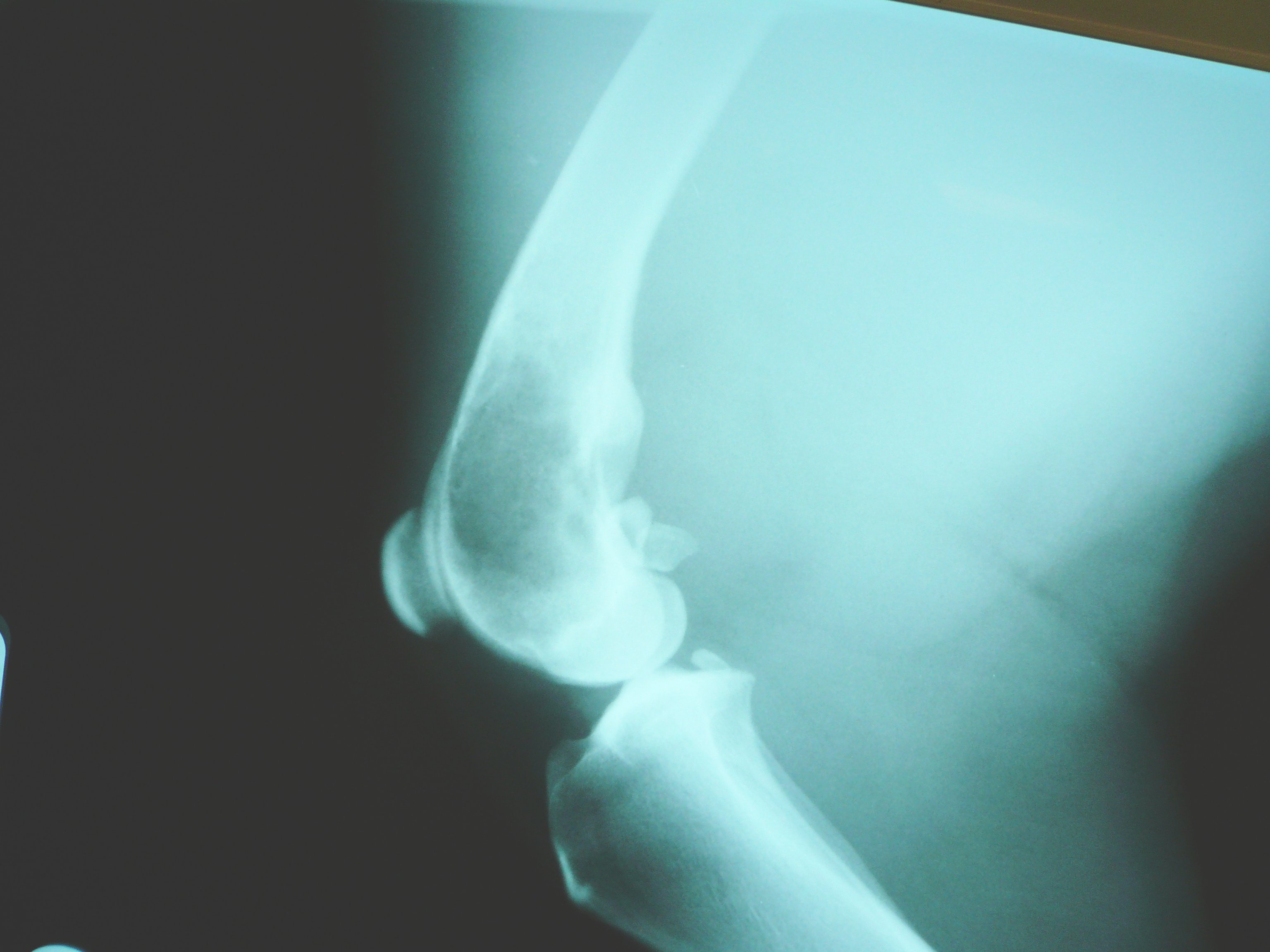
Joel Mills [creativecommons license] via Wikimedia CommonsOsteosarcoma occurs spontaneously in humans (usually children) and in dogs with a disease course and severity that are difficult to predict. Some patients respond well to conventional therapies, have a less aggressive form of disease and may survive for decades without recurrence, whereas others respond poorly to treatment or experience recurrence and may survive less than 5 years. This variability has hindered accurate molecular classification of osteosarcomas. Because spontaneous osteosarcoma occurs more frequently in certain breeds of dogs than in others, researchers hypothesized that it would be easier to identify molecular subtypes of osteosarcoma on the more genetically homogeneous canine background. They also believed that these molecular profiles could be used to similarly identify clinically relevant subtypes in human samples in order to better predict therapeutic success.

 Fluent in Science