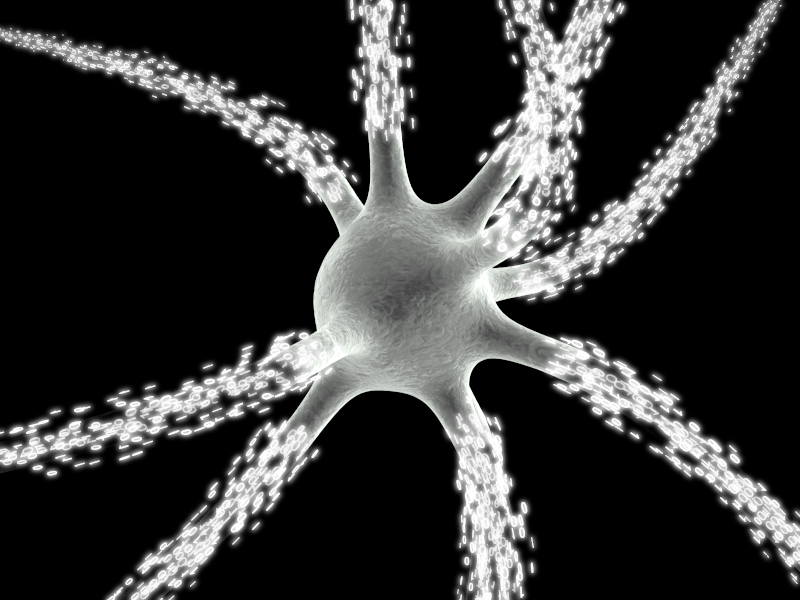
Nicolas P. Rougier [GNU GPL] via Wikimedia CommonsSexual dimorphism is the presence of different behaviors and characteristics in males versus females. Its development relies on an intricate interplay of genetic, chromosomal and hormonal factors, particularly during certain stages of development. In mammals, sexual dimorphism is thought to result from exposure to sex hormones during the perinatal stage of development. In male rats, an increase in testosterone expression occurs during this period, resulting in male-specific brain circuitry and the establishment of certain male-specific characteristics. Now, a new study has identified the neural pathways underlying territorial behavior in male mice and, furthermore, shown that these pathways are controlled by estrogen.

 Fluent in Science